PCBot-B40 AI-passagiersstroomtracker: nauwkeurige monitoring van busstromen voor slimmere routeplanning.
PCBot-B40 AI-passagiersstroomtracker: nauwkeurige monitoring van busstromen voor slimmere routeplanning. Geschikt voor stadsbussen, minibussen, stationgebonden passagiersstatistieken en routeplanningssystemen.
- informatie
- video
- Download
PCBot-B40 AI Passenger Flow Tracker Accurate Bus Flow Monitoring For Smarter Route Scheduling
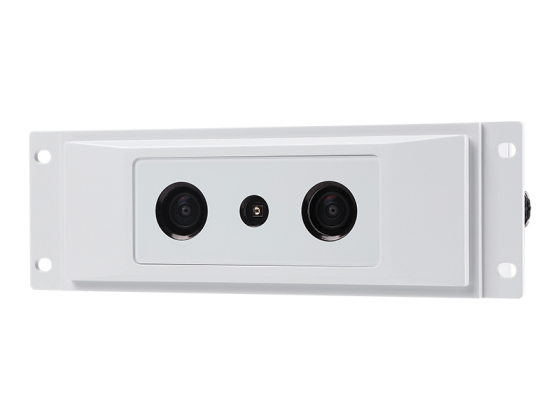
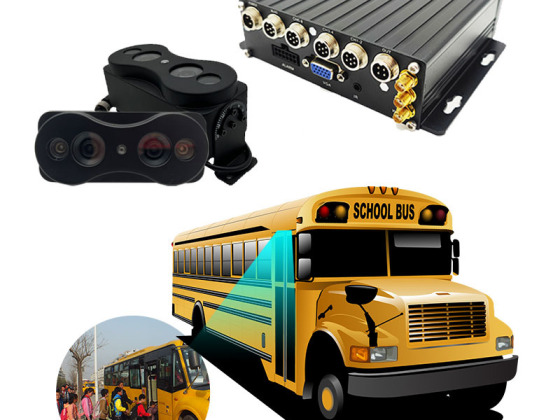
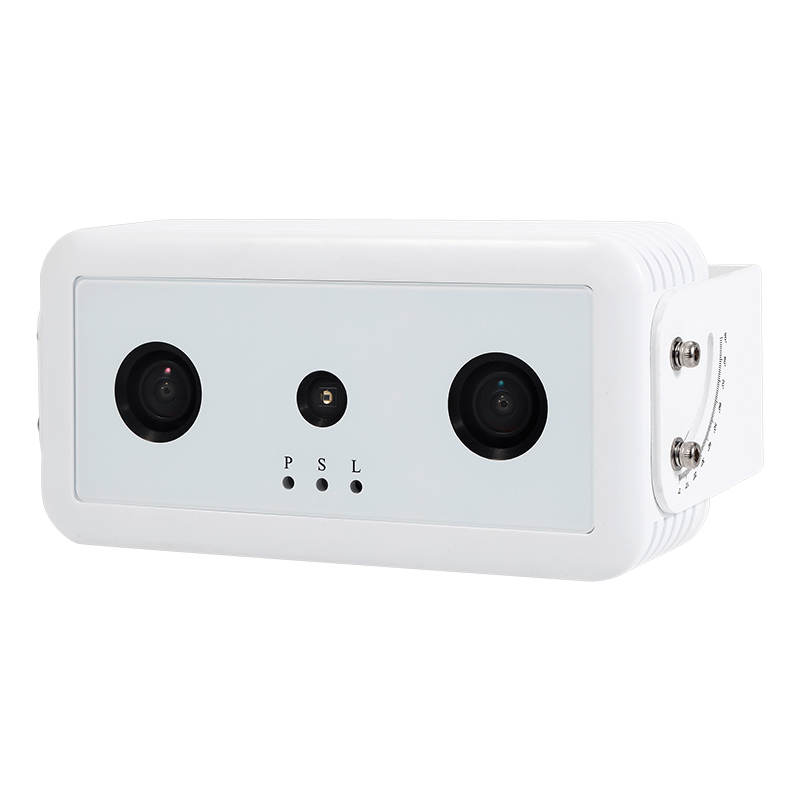
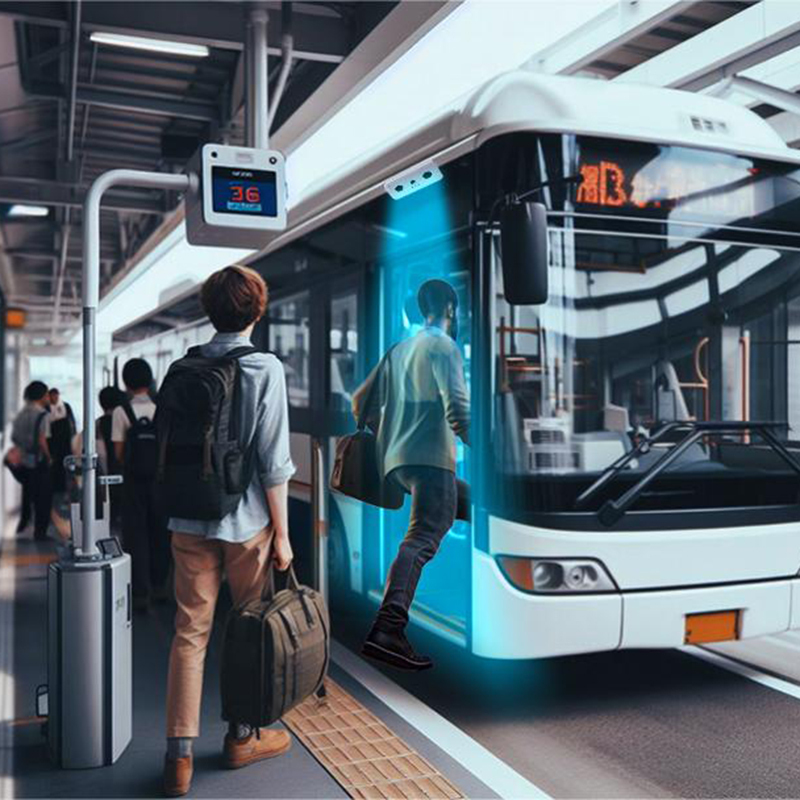
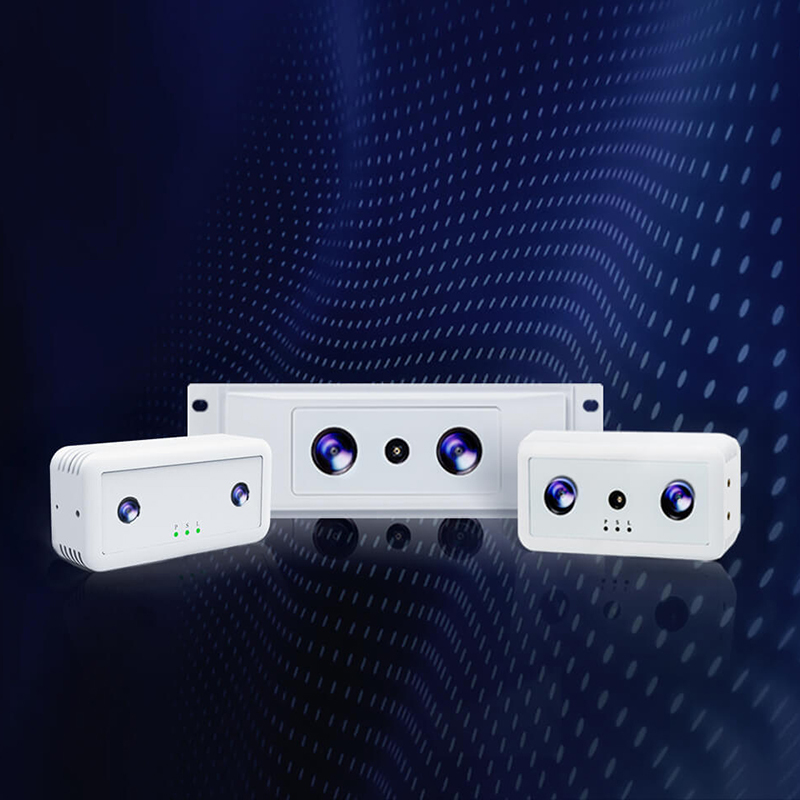
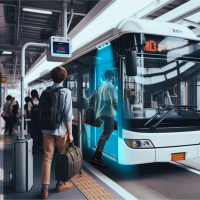
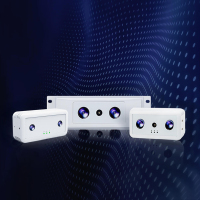
PCBot-B40 is an AI passenger flow tracker for buses and smaller vehicles. It is based on binocular vision and AI algorithms, supporting boarding and alighting statistics for public transport projects. The product is designed for vehicle doors, low height scenarios, and route scheduling data collection.
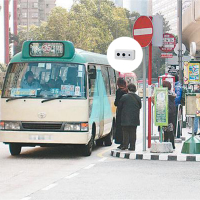
Bus passenger counting requires stable performance in a moving environment. The device must handle vibration, door movement, changing sunlight, passengers standing close together, and different mounting positions such as door, roof, wall, or ceiling. PCBOT-B40 is built for these transport conditions rather than ordinary retail entrances.
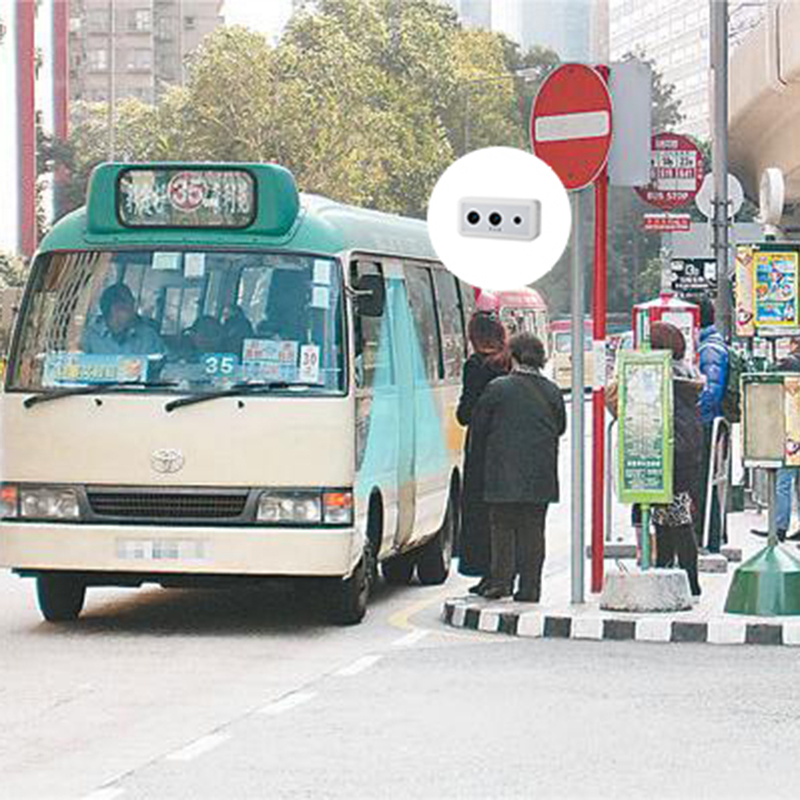
The product can help bus operators understand passenger demand by route, station, and time period. With more accurate boarding data, operators can improve schedules, adjust vehicle dispatch, reduce waiting time, and evaluate route efficiency. Smaller buses and minibuses can also use the system when installation height is limited.
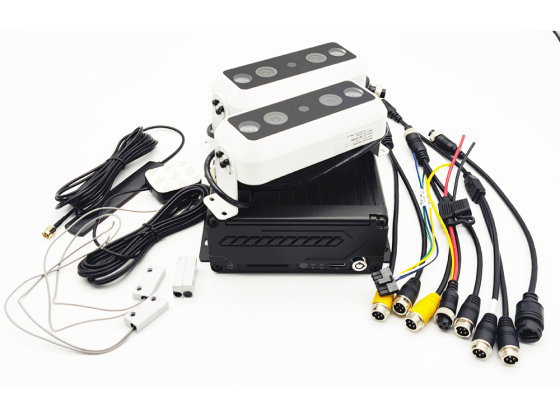
Before purchase, customers should define vehicle type, door width, mounting height, power source, data interface, station matching method, and required accuracy. If the system will connect with a bus data platform, protocol customization and export format should be discussed early.
PanPanTech can support passenger counting projects by helping compare B40 with rail, MDVR, or infrared solutions. The right choice depends on vehicle type, data platform, installation space, and whether video recording is required.
PCBot-B40 is recommended for public transport operators and integrators who need accurate bus passenger statistics. It helps convert boarding activity into useful data for smarter route planning and dispatch.